
Stack Revenue with Stationary Batteries: The Simple Guide
.png)
Introduction
The rapid growth of variable renewables and the electrification of transport are creating new demands on grid stability and balancing. Projections indicate that passenger electric vehicle charging alone could contribute up to 151 TWh of additional electricity demand in the EU by 2030.
Stationary battery energy storage systems (BESS) and charge point operators (CPOs) with intelligent control capabilities are well positioned to address these challenges while accessing new revenue streams through demand-side flexibility.
The Challenge
Increasing penetration of solar and wind leads to greater variability in generation, resulting in more frequent price volatility, local congestion, and the need for rapid frequency response and balancing. Transmission and distribution system operators require flexible resources that can react quickly and reliably.
Although stationary batteries offer ideal technical characteristics for these services, many assets are currently operated primarily for backup or basic self-consumption, leaving significant flexibility potential untapped as European flexibility markets continue to mature.
The Solution
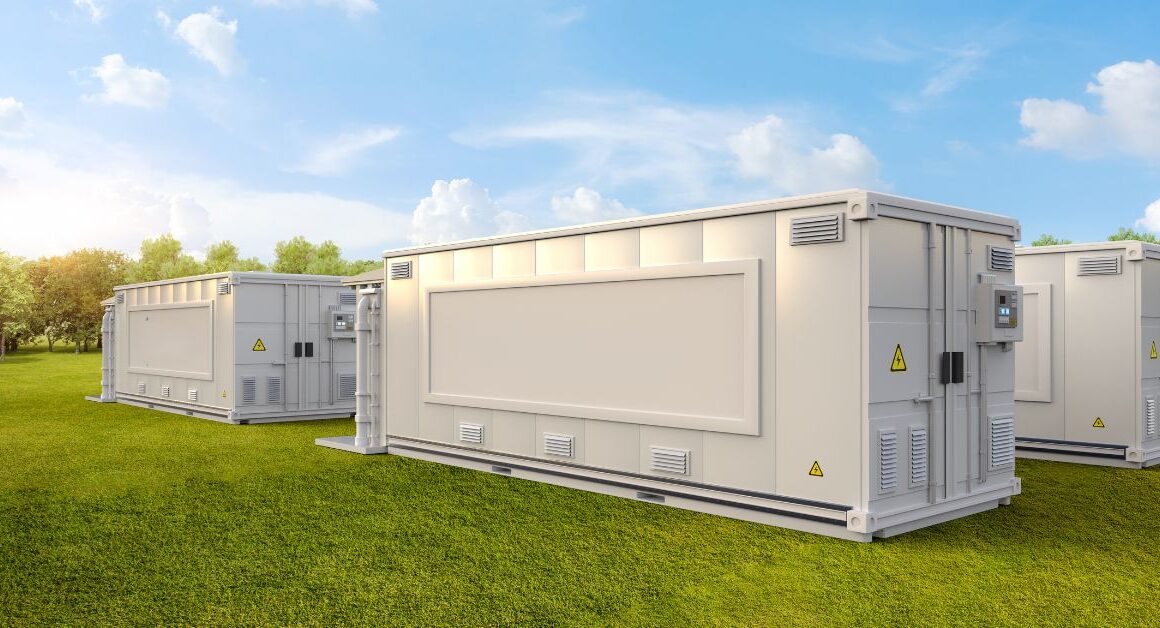
Stationary BESS and smartly controlled charging infrastructure can provide demand-side flexibility by modulating charge and discharge cycles in response to grid signals or price incentives.
Recent analyses, including those from smartEn, estimate that widespread deployment of demand-side flexibility could generate direct consumer savings of approximately €71 billion by 2030, alongside system-level benefits exceeding €300 billion through avoided generation capacity expansion, reduced grid reinforcement needs, and improved integration of renewables.
Best Practices
Battery asset owners and CPOs typically bring strong technical foundations: advanced battery management systems, real-time monitoring, ongoing improvements in control algorithms and degradation modelling, and geographically distributed portfolios that support effective aggregation.
Successful participation usually involves collaboration. Integrators manage data processing, flexibility forecasting, and dispatch optimisation, translating asset capabilities into market-ready signals. Aggregators pool multiple assets into virtual power plants (VPPs), enabling participation in larger wholesale, balancing, and local markets. This structure provides access to TSO balancing products (e.g., aFRR and mFRR) and DSO constraint management services.
Revenue streams can begin with straightforward applications such as time-of-use arbitrage (charging during low-price periods and discharging during high-price periods), maximisation of local PV self-consumption, or wholesale market optimisation. More advanced opportunities include provision of frequency restoration reserves to TSOs and congestion/voltage support to DSOs. Where market rules permit, value stacking - combining multiple services on the same asset - significantly improves economic returns without requiring additional hardware.
Before entering a market, key questions include: What proportion of installed capacity is equipped with smart controls and secure cloud connectivity? Are dynamic pricing signals accessible? What is the current maturity level of local flexibility procurement frameworks? Annual market assessments from smartEn and LCP Delta provide useful benchmarks on country-specific readiness.
The Impact
When operated strategically, stationary batteries transition from passive storage devices to active, multi-purpose grid-supporting assets. Effective partnerships and multi-use-case optimisation enable meaningful contributions to system resilience and renewable integration while delivering robust economic value to asset owners and operators.
At Hive Power we support battery owners and CPOs across Europe in implementing these approaches through proven aggregation and optimisation tools. If you would like to discuss how your portfolio could participate more actively in flexibility markets, we would be happy to arrange a focused demonstration.


Comments